SUNDAY, NOVEMBER 2ND, 2025
JESUS, THE FINAL AUTHORITY OVER LIFE, DEATH, AND DESTINY
TEXT: John 5:21-29 (NKJV)
5:21. “For as the Father raises the dead and gives life to [them,] even so the Son gives life to whom He will.
5:22. “For the Father judges no one, but has committed all judgment to the Son,
5:23. “that all should honor the Son just as they honor the Father. He who does not honor the Son does not honor the Father who sent Him.
5:24. ” Most assuredly, I say to you, he who hears My word and believes in Him who sent Me has everlasting life, and shall not come into judgment, but has passed from death into life.
5:25. “Most assuredly, I say to you, the hour is coming, and now is, when the dead will hear the voice of the Son of God; and those who hear will live.
5:26. “For as the Father has life in Himself, so He has granted the Son to have life in Himself,
5:27. “and has given Him authority to execute judgment also, because He is the Son of Man.
5:28. “Do not marvel at this; for the hour is coming in which all who are in the graves will hear His voice
5:29. “and come forth — those who have done good, to the resurrection of life, and those who have done evil, to the resurrection of condemnation.
INTRODUCTION: THE SOVEREIGNTY OF CHRIST OVER ALL SOULS
Every year, as the calendar turns toward November, the Christian world pauses to reflect on the doctrine of the Resurrection of the Dead. Whether we observe All Soul’s Day to celebrate the lives of those saints who have “slept in the Lord,” or whether we simply meditate on the finality of human life, our minds are naturally drawn to the promise of the resurrection morning.
In today’s powerful passage, Jesus speaks with absolute authority about the events that define the End Time, giving us an unparalleled look into the core of His divine and judicial mission. These words are not soft counsel; they are eternal decrees. Jesus is explicitly stating His claims as the final, sovereign authority over life, death, and destiny.
He makes two staggering claims that must form the foundation of our faith:
- Authority over Life and Resurrection: He gives life to whom He wills (v. 21, 25-26).
- Authority over Judgment: The Father has committed all judgment to the Son (v. 22, 27).
The implication is clear: every human being—saint and sinner, believer and unbeliever—will, at some point, respond to the sound of His voice. The only difference is the outcome of that response. The kind of resurrection each man will experience is dependent on the kind of life he lived before death, anchored in his relationship with the Son of God. There is no short-cut to living a fulfilling Christian life outside total attachment to Christ.
Let us dive into the majesty and the solemnity of these verses, understanding the non-negotiable requirement for honoring the Son.
I. THE COMMITTED AUTHORITY: LIFE AND JUDGMENT
Jesus’ declaration in John 5 is profound because He defines His role not merely as a prophet or a miracle worker, but as the Executive Agent of the Father’s divine power.
A. The Son as the Giver of Life (Zoe)
Verse 21 establishes the radical equality between the Father and the Son concerning the most powerful act in the universe: the creation of life. “For as the Father raises the dead and gives life to [them,] even so the Son gives life to whom He will.”
The word for life here is Zoe—eternal, uncreated, life-in-itself. Verse 26 clarifies this further: “For as the Father has life in Himself, so He has granted the Son to have life in Himself.”
This means Jesus is not dependent on an external source for life; He is the source. He has the sovereign authority to impart this eternal life to whomever He chooses. This authority extends both to the immediate spiritual quickening (giving spiritual life to a dead soul) and the ultimate physical raising (resurrection of the body). His command is the creative force that reverses death itself.
B. The Son as the Executor of Judgment
Jesus then transitions from Giver of Life to Executor of Judgment: “For the Father judges no one, but has committed all judgment to the Son” (v. 22).
This commitment of all judgment to the Son is a delegation of ultimate authority. It is fitting for several reasons:
- Impartiality: Since Jesus is the Creator, Sustainer, and Redeemer of all humanity, He alone possesses the perfect wisdom and divine knowledge required for flawless, impartial judgment.
- Incarnation (Son of Man): Verse 27 states He was given authority to judge “because He is the Son of Man.” As the God-Man, Jesus is the perfect Judge because He lived in human flesh. He understands our temptations, our struggles, and our experiences, yet He did so without sin. He can judge humanity fairly because He personally redeemed it.
This dual authority—over life and over judgment—makes honoring the Son the most critical requirement for every human soul.
C. The Mandate to Honor the Son
“…that all should honor the Son just as they honor the Father. He who does not honor the Son does not honor the Father who sent Him” (v. 23).
This is an unambiguous statement of Trinitarian equality and the non-negotiability of Christ’s identity. You cannot claim to worship the Father while rejecting the Son. To dishonor the Son is to dishonor the Sender.
Honoring the Son means more than lip service; it means submission and obedience (as explored in Section IV). It means accepting Him as the sole source of life and the final arbiter of destiny. The way we live our lives, therefore, becomes the measure of the honor we give the Son.
II. THE PRESENT REALITY: PASSED FROM DEATH INTO LIFE
Before discussing the end-time events, Jesus speaks of a transaction that happens right now—the immediate resurrection of the soul. This is the good news that separates the believer from the condemned.
“Most assuredly, I say to you, he who hears My word and believes in Him who sent Me has everlasting life, and shall not come into judgment, but has passed from death into life” (v. 24).
This verse describes a spiritual revolution that is instantaneous and irrevocable.
A. The Conditions: Hearing and Believing
The process begins simply:
- Hearing My Word: This refers to the external call of the Gospel—the message of Christ’s identity and sacrifice.
- Believing in Him Who Sent Me: True faith is not just intellectual assent; it is active trust in the one God sent (Jesus) and the one who sent Him (the Father). It is a total surrender to the message of salvation.
B. The Possessed Result: Everlasting Life
The moment this transaction takes place, the result is stated in the present tense: the believer “has everlasting life.”
Everlasting life is not a future reward; it is a present possession that begins the moment one believes. It is the infusion of Zoe into the human spirit. This life is eternal in quantity (it never ends) and eternal in quality (it is the very life of God). The minute you believe, your citizenship changes, and your spiritual death is reversed.
C. The Acquittal: Shall Not Come into Judgment
This is one of the most comforting assurances in all of Scripture. Because the believer “has everlasting life,” he “shall not come into judgment” (specifically, the resurrection of condemnation).
The judgment for our sin was executed on the cross, and the believer is covered by Christ’s righteousness. When the book of life is opened, the believer’s name is found, and the case file is acquitted. The believer is judged, not on their imperfect life, but on the perfect life of Christ, which they received by faith.
D. The Spiritual Transition: Passed from Death into Life
The final phrase confirms the spiritual resurrection that occurs at conversion: the person “has passed from death into life.” This is the immediate resurrection of the soul. The soul that was dead in trespasses and sins (Ephesians 2:1) is spiritually resurrected, moving from the domain of darkness and death to the kingdom of God’s dear Son. This is the foundation of the Christian hope—we are alive forevermore, starting now.
III. THE TWO RESURRECTIONS: SPIRITUAL AND PHYSICAL
Jesus now introduces the dual nature of resurrection—one that is happening now and one that is coming.
A.The Immediate Resurrection: “Now Is” (v. 25)
“Most assuredly, I say to you, the hour is coming, and now is, when the dead will hear the voice of the Son of God; and those who hear will live.”
This refers to the spiritual resurrection we just discussed. The spiritually dead (sinners) are hearing the voice of the Son of God through the Gospel message, and those who respond with faith will live eternally. The power of the Resurrection is available every single time the Gospel is preached.
B. The Future Resurrection: “The Hour Is Coming” (v. 28-29)
Jesus then directs attention to the ultimate, physical event: “Do not marvel at this; for the hour is coming in which all who are in the graves will hear His voice and come forth.”
This is the great final judgment. No grave, no burial at sea, no cremation, or any form of physical dispersion can prevent the physical body from responding to the voice of the Son of God. Every single person who ever lived will be resurrected and stand before the Judge.
C. The Divide: Life vs. Condemnation
The nature of this resurrection is determined by the life lived:
- Those who have done good, to the resurrection of life: The “good” here is not perfect morality, but the good fruit of faith—a life lived in obedience to Christ, believing in His finished work, which naturally produces works of righteousness (Ephesians 2:10). This is the glorious rising to eternal glory.
- Those who have done evil, to the resurrection of condemnation: This resurrection is to face the final judgment, resulting in eternal separation from God. The “evil” is the fruit of a life lived apart from Christ, rejecting the authority and love of the Son.
Resurrection is not only limited to the dead in Christ; unbelievers also will resurrect. The distinction is not if they will rise, but what they will rise to. The moment one believes in Jesus, they secure their spot in the resurrection of life.
IV. THE CALL TO OBEDIENCE: SUBJECTING OUR WILL
Given that the kind of resurrection each man will experience is dependent on the kind of life he lived before death, we are left with the challenge of the present: How do we honor the Son daily?
A. Total Attachment: The Only Shortcut
The message warns that there is no short-cut to living a fulfilling Christian life outside total attachment to Christ. Many people seek a formula—a special prayer, a particular ritual, or a secret knowledge—to secure favor. But Jesus demands total attachment.
Jesus was united with God and lived as God wanted Him to. He modeled perfect obedience: “I seek not mine own will, but the will of the Father which hath sent me” (John 5:30).
Our Mandate: As we identify with Jesus, we must honor him and live as He wants us to live (v. 23). This is the continuous, daily decision to subordinate our desires to His divine instruction.
B. The Process of Subjection
We should learn to subject our lives and will to the will of God. This subjection is not a one-time event, but a lifelong process that involves the following steps:
- Acknowledgement of Lordship: We must genuinely confess that Jesus is not just our Savior (saving us from hell) but our Lord (commanding our daily actions).
- Scriptural Immersion: The will of God is revealed in the Word of God. A life that is truly subjected to God is a life steeped in Scripture, using it as the final blueprint for all decisions.
- Active Obedience: Subjection means moving past knowing God’s will to doing God’s will. It is the practical choice to forgive, to serve, to share, to be honest, and to love, even when it is difficult or costly.
C. The Final Reflection
The assurance in verse 24—that those who believe “shall not come into judgment”—is a profound comfort. However, this comfort is for those who are genuinely on the Lord’s side.
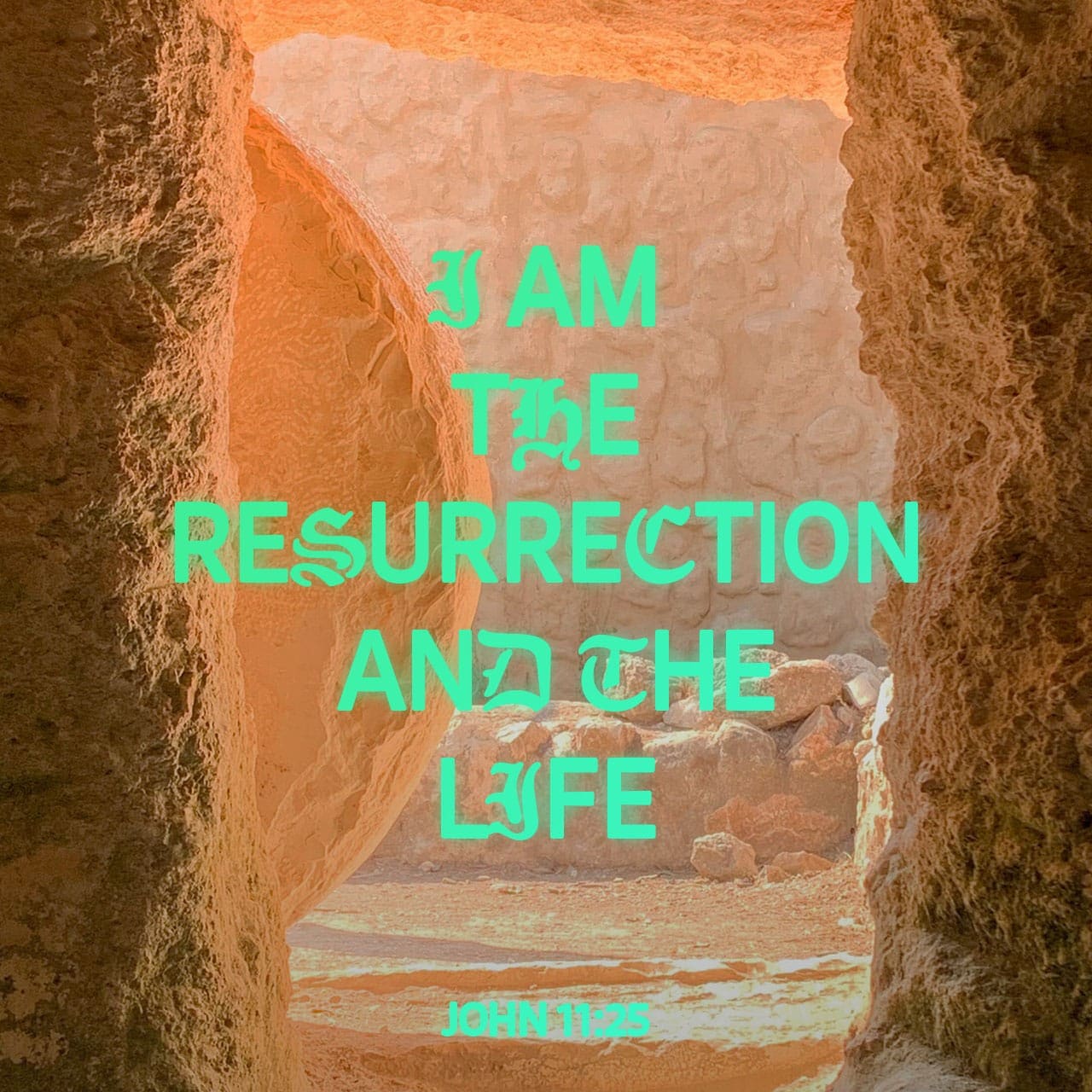
Do not overlook the call for total obedience to God’s word. Pause and reflect over your life. Are you really on the Lord’s side? Is your personal will, your financial will, your professional will, and your relational will submitted to the authority of the one who is the Resurrection and the Life?
A superficial faith or a life of convenient obedience will not suffice when the graves open. Only a life that honors the Son in word and in deed will stand acquitted. The time to ensure your subjection is now, because the hour is coming.
CONCLUSION: THE SOLEMNITY AND HOPE OF HIS VOICE
The voice of the Son of God is the most powerful sound in existence. It is the voice that called creation into being (John 1:3), and it is the voice that will call humanity out of the grave (John 5:28).
For the believer, that voice will be a sound of triumph and liberation—the call to the resurrection of life. For the unbeliever, it will be the sound of final, just judgment—the call to the resurrection of condemnation.
The only way to guarantee the former is to embrace the total attachment to Christ that Martha confessed: “Yea, Lord: I believe that thou art the Christ, the Son of God, which should come into the world.” Let that belief translate into a life wholly subjected to His perfect will. The authority over the grave is yours, but only through Him.
PRAYER:
BIBLE IN ONE YEAR: Ezekiel 4:1-6:14, Hebrews 4:1-16